


Advanced Story Writing Methods for Short Stories

Updated: Oct 3
Writing short stories is like cramming a skyscraper into a shoebox—good luck fitting that in your closet! You aim to create something towering, awe-inspiring, and unforgettable, but you’ve got to squeeze it into a space that’s barely big enough for a ham sandwich. If you’re a fan of psychological thrillers and mysteries, the pressure’s on like a game of Jenga with a blindfold. Each word is crucial, and every plot twist needs to hit like a surprise pie to the face. So, how do you manage this Herculean task? Let me guide you through some advanced story-writing techniques that’ll sharpen your skills and keep readers glued to the page.
Mastering the Art of Precision
Ditch the poetic mumbo jumbo and the never-ending scenery tours. In short stories, especially those spine-tingling thrillers and head-scratching mysteries, precision reigns supreme. You want sentences that are as tight as your jeans after Thanksgiving, scenes as lean as a marathon runner, and pacing that’s faster than a cat on a hot tin roof. Here's how to pull it off:
Cut the fluff: If a word, sentence, or even a paragraph doesn’t push the story forward or deepen the mystery, it’s dead weight. Slash it.
Use active voice: Passive voice is the enemy of urgency. “She opened the door” hits harder than “The door was opened by her.”
Show, don’t tell: But do it economically. A single, well-chosen detail can reveal character, mood, and setting all at once.
Instead of saying, “John was nervous,” picture this: John’s fingers were doing the cha-cha as he tried to tango with the lock. See? Same idea, but way more vivid and immediate.
Advanced Story Writing Methods: Building Suspense and Atmosphere
Suspense is like the ultimate game of peek-a-boo with your readers—it’s not just about what’s coming around the corner. It’s about what you don’t blurt out, the sneaky shadows playing hide and seek between the lines. To crank up that tension, you’ve got to be the maestro of mood and the DJ of dramatic pauses!
Control your reveals: Don’t dump all your secrets at once. Let the reader piece things together like a puzzle. Drop clues, misdirect, and keep them guessing.
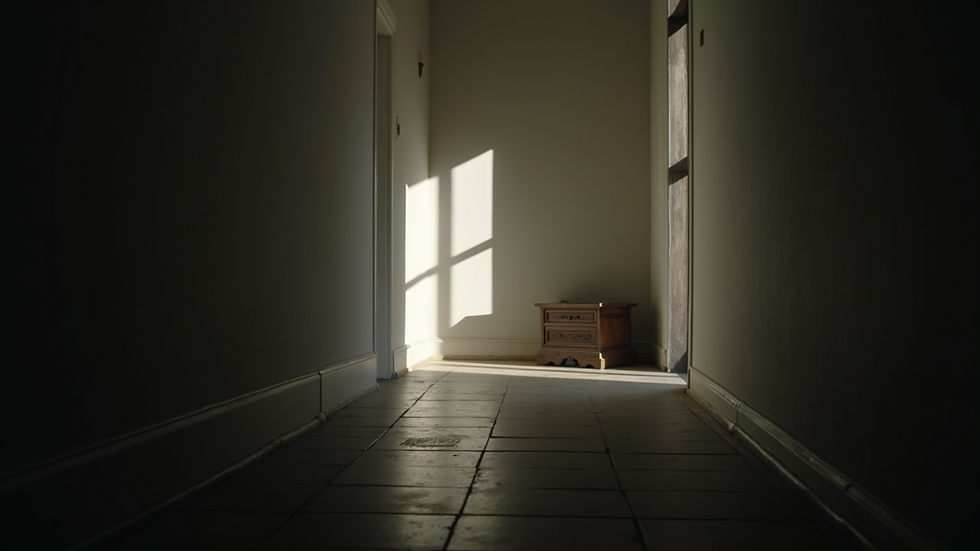
Use setting as a character: A creaky old house, a foggy street, a dimly lit room - these aren’t just backdrops. They’re mood-makers. Use sensory details to make the environment oppressive or eerie.
Pace your story like a heartbeat: Speed up during moments of action or revelation. Slow down when you want the reader to soak in the dread.
Here's a cheeky little trick: wrap up your scenes or chapters with a question or a whiff of danger. It's like waving a chocolate cake in front of a diet—readers just can't resist and won't put the story down!
Crafting Characters That Haunt Your Story
In psychological thrillers, characters are like those tricky jigsaw puzzles missing a few pieces. They’re flawed, unreliable, and sometimes as dangerous as a cat with a laser pointer. Your mission, should you choose to accept it, is to make readers care about these lovable messes enough to join them on their rollercoaster of chaos.
Give them secrets: Everyone hides something. Your protagonist, antagonist, and even minor characters should have layers waiting to be peeled back.
Use unreliable narration: Nothing spices up a mystery like a narrator you can’t fully trust. It forces readers to question everything.
Show internal conflict: The best psychological thrillers dig into the mind. Show your characters wrestling with their demons, doubts, and desires.
Imagine a character who swears they're the picture of sanity, yet keeps spiraling into paranoia like they're auditioning for a role in a conspiracy thriller. It’s a suspenseful ride without even a cap gun in sight!
Dialogue That Cuts Like a Knife
In short stories, dialogue needs to be snappy, like a caffeinated squirrel! No chit-chat about the weather or your aunt's cat. Every line should either push the plot forward like it's on roller skates or peel back the layers of your characters like an onion at a cooking show!
Keep it natural but loaded: People don’t always say what they mean. Use subtext to hint at hidden motives or fears.
Use interruptions and pauses: Real conversations are messy. A well-placed “...” or a cut-off sentence can ratchet up tension.
Avoid info dumps: Don’t use dialogue to dump backstory. Instead, weave it in through conflict or character reactions.
Here’s a quick example:
“You were at the scene.”
“I was nowhere near.”
“Then why did your fingerprints show up?”
“Lucky guess.”
Short, punchy, and full of suspicion.
The Power of a Killer Ending
You want your readers to shut the book and sit there like they’ve just seen a ghost, maybe even gasping for air like they’ve run a marathon. The ending is your final chance to make them remember you, like the time you accidentally wore mismatched shoes to a fancy event.
Twist endings work, but only if earned: Don’t pull a rabbit out of a hat. The twist should feel surprising but inevitable in hindsight.
Leave some questions unanswered: Mystery thrives on ambiguity. Let readers fill in some blanks.
Echo your opening: Bring your story full circle. It creates a satisfying sense of closure, even if the ending is dark or open.
Imagine your ending as the last note in a symphony—like a musical burp that echoes long after the orchestra has packed up and gone home.

Wrapping It Up Without Saying So
Crafting short stories in the psychological thriller and mystery genres is like trying to juggle flaming swords while riding a unicycle—it's brutal but oh-so-rewarding! You're balancing precision, suspense, character depth, dialogue, and those jaw-dropping endings that leave readers gasping like they've just seen a ghost. Use these advanced story writing techniques to sharpen your skills and keep your audience hooked like a fish on a line!
If you're itching to plunge headfirst into the wacky world of short story writing techniques, go ahead and snoop around resources from authors who’ve been through the literary jungle, survived the chaos, and are still around to spill the beans. Just remember, the top-notch tales don’t just tickle your funny bone - they stick around like a ghost at a family reunion!
Alright, time to craft a tale so spine-tingling, it'll have folks sleeping with the lights on and hugging their teddy bears for dear life!
About the Author: Craig Tyson Adams
Craig Tyson Adams is a contemporary author known for his gripping detective novels, including the acclaimed work, The Lying Spiral. His writing is characterized by intricate plots, well-developed characters, and a keen understanding of human psychology—basically, he knows how to get inside your head without a search warrant. His suspenseful narratives keep readers on the edge of their seats, or at least on the edge of their couches, which is a much safer place to be when reading about crime.
Background and Education
Adams was born and raised in a small town, where his storytelling passion was so strong that even his pet goldfish would listen intently to his tales—though they did occasionally swim away mid-story. He pursued a degree in literature and creative writing, which laid the foundation for his career as a novelist. His academic background has greatly influenced his writing style, enabling him to craft compelling narratives that resonate with a diverse audience, including those who just read the first chapter and then judge the entire book.
Writing Career
Before becoming a full-time author, Adams worked in various fields, including journalism and marketing. This experience honed his skills in research and narrative construction, which he now applies to his fiction writing. The Lying Spiral is one of his standout works, showcasing his talent for creating intricate plots filled with twists and turns—much like a rollercoaster designed by a particularly mischievous architect.
Themes and Style
Adams often explores themes of deception, morality, and the complexities of human relationships in his novels. His writing style is noted for its clarity and pacing, making his books accessible yet thought-provoking—perfect for those deep late-night conversations with friends who are too tired to actually think. Readers appreciate his ability to blend suspense with deeper philosophical questions, inviting them to reflect on the nature of truth and lies, or at least on why they lied about finishing their homework.
Impact and Reception
The reception of Adams's work has been overwhelmingly positive, with readers and critics alike praising his storytelling abilities. The Lying Spiral has garnered a dedicated fanbase and has been recognized for its innovative approach to the detective genre—essentially, it’s like the detective genre went to a fancy party and came back with a new hairstyle. Adams continues to engage with his audience through book signings, readings, and social media, further solidifying his presence in the literary world, where he is often spotted wearing a beret and sipping coffee like a true author.
Future Projects
As of now, Craig Tyson Adams is working on his next novel, which promises to delve even deeper into the intricacies of crime and morality. Fans are eagerly awaiting his upcoming releases, hoping for more of the thrilling narratives that have become his trademark—because who doesn’t love a good plot twist that makes you question your own life choices?


Comments