


Generating Unique Psychological Thriller Stories: A Guide to Thriller Story Brainstorming

Writing a psychological thriller is like trying to catch a ghost with a butterfly net. You want it to be mysterious, captivating, and just unsettling enough to make you sleep with the lights on. But how do you whip up something fresh when the genre feels like it’s been picked over like a Thanksgiving turkey after the family feast? I’ve been there, staring at a blank page, wondering if my next story will be a cliché or the next big hit. Let me stroll you through some practical ways to cook up unique psychological thriller stories that don’t just rehash the same old tricks.
The Art of Thriller Story Brainstorming
Brainstorming for a thriller isn't just about tossing random ideas onto a page and crossing your fingers that one will stick. It's more like searching for gold in a mine full of dirt and old boots—you need a plan, a system, and maybe a dash of craziness.
Start with what gives you the heebie-jeebies. Not the obvious stuff like ghosts or serial killers, but those sneaky, creeping fears. Like the fear of losing your marbles, the fear of betrayal by your BFF, or the fear of your own memories playing tricks on you. These fears are a goldmine for psychological thrillers.
Next, toss in unexpected settings. Sure, a thriller set in a bustling city is cool, but how about a remote lighthouse during a storm? Or a seemingly perfect small town where everyone knows your name but no one spills the beans? The setting can be a character itself, adding layers of suspense.
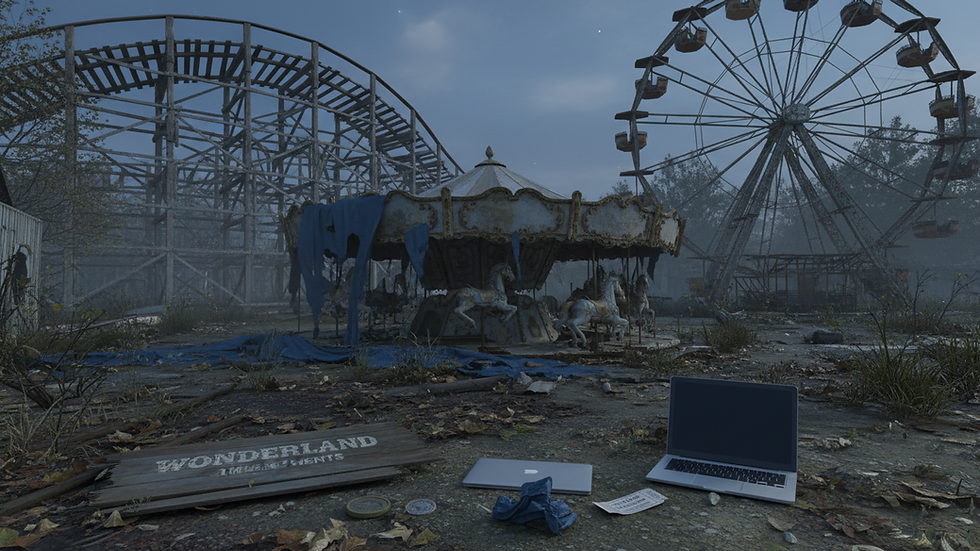
Try this wacky exercise: jot down five fears and five quirky settings. Then mix and match them. You might end up with something like “fear of memory loss in a deserted amusement park” or “fear of being watched in a high-tech smart home.” These oddball combos can ignite some unique story ideas.
What Should Young Writers Explore in Their Stories?
So, you're scratching your head, wondering what young writers should scribble about, especially when diving into the wild world of psychological thrillers? Fear not, the answer is as easy as pie! Start with what you know and what tickles your curiosity. At this stage in life, experiences are often a delightful cocktail of school shenanigans, family quirks, and the awkward cha-cha of friendships. These can be spun into thrilling yarns.
Picture this: a story where a young protagonist is convinced their best buddy is harboring a secret darker than a goth's wardrobe. Or a tale about a school project that unearths something more sinister than the mystery meat in the cafeteria. The trick is to keep it relatable but sprinkle in a psychological twist.
Encourage young scribes to zero in on character emotions and motivations rather than just plot twists. The best thrillers make you feel the protagonist’s paranoia, confusion, and desperation. Even mundane settings like a school hallway or a family dinner can transform into the stage for some intense psychological drama.
As the author Craig Tyson Adams suggests, exploring the complexities of human relationships and the shadows lurking beneath the surface can lead to compelling narratives. By delving into the intricacies of friendship, betrayal, and the fear of the unknown, writers can create stories that resonate deeply with readers, inviting them to confront their own fears and curiosities.
Crafting Characters That Haunt Your Readers
Characters in psychological thrillers aren't just people; they're like Rubik's cubes with a PhD in mystery. To craft compelling characters that cling to readers like a stubborn burr, start with flaws that matter. Let's face it, nobody's perfect, and in thrillers, those imperfections are like little ticking time bombs.
Imagine a protagonist who's as reliable as a chocolate teapot – perhaps they have a knack for fibbing or their memory is as trustworthy as a goldfish's. Or picture an antagonist who believes they're the hero in their own epic saga. These layers keep the story as unpredictable as a cat on a caffeine high, making the process of thriller story brainstorming all the more exciting.
Throw in some internal conflict along with the external chaos. A character wrestling with their own mind can be scarier than any monster lurking under the bed. Picture a detective questioning their own sanity while chasing a killer – talk about a plot twist that’s juicier than a soap opera!
And don't forget to sprinkle in small, odd details about your characters. Maybe your protagonist is obsessed with wearing mismatched socks or has full-blown conversations with their toaster. These quirks make them as human and unforgettable as a polka-dotted elephant, enhancing your thriller story brainstorming sessions.

Plot Twists That Don’t Feel Cheap
Plot twists are the secret sauce of psychological thrillers, but they can also be the banana peel that makes the whole story slip. A twist that feels like it was pulled out of a magician's hat can make the entire tale topple. So, how do you whip up twists that surprise without making readers roll their eyes?
The trick is sprinkling sneaky hints early on. Imagine your story as a jigsaw puzzle. The pieces should snap together nicely when the twist is revealed, not leave everyone scratching their heads. Readers love feeling like Sherlock Holmes when they spot the clues, even if they don’t quite solve the mystery.
Steer clear of tired old tricks like “it was all a dream” or “the protagonist was dead all along.” Instead, aim for twists that peel back new layers of character or theme. Maybe a trusted sidekick is actually plotting a coup, or someone’s been tinkering with the protagonist’s memories like they’re rearranging furniture.
Try writing your story’s ending first. It might sound as backward as wearing shoes on your hands, but knowing your destination helps you sprinkle the right breadcrumbs and build suspense like a pro.
Using Psychological Thriller Story Ideas to Fuel Creativity
If you find yourself in a creative pickle, don't hesitate to snag some inspiration from existing psychological thriller story ideas. We're not talking about copy-pasting here, just giving your brain a little nudge. Sometimes, a single quirky thought can sprout into a completely original tale.
For example, grab a classic like “the unreliable narrator” and give it a wild twist. What if the narrator is unreliable because they're part of a secret experiment involving mind-boggling brain teasers? Or what if the story is told from the villain's perspective, making readers question if they're rooting for the wrong team? A top-notch example of a psychological thriller with a tangled web of narratives is Craig Tyson Adams' detective novel The Lying Spiral.
Keep a notebook or digital file of ideas, no matter how tiny or bizarre. You never know when a random thought about a forgotten childhood fear or a wacky dream might turn into your next blockbuster hit.
Building Atmosphere Without Overdoing It
Atmosphere is like the fog machine at a Halloween party—it sets the mood for your story. It's a must-have in psychological thrillers, but don't go overboard, or your readers might think they've stumbled into a cheesy horror flick.
Use simple, sensory details to build atmosphere. Instead of declaring “the room was creepy,” mention the flickering light bulb, the faint whiff of mildew, or that clock ticking so loudly it might be plotting something. These subtle touches make readers squirm without shouting "BOO!"
Sprinkle in some light moments amidst the darkness. Even the most twisted tales need a breather, like a rollercoaster ride with a snack break. This ebb and flow sharpens the suspense.
Remember, sometimes what you leave unsaid is just as juicy as what you spill. Leave some shadowy corners for readers to fill with their own wild imaginations.
Writing psychological thrillers is like tightrope walking over a pit of your own nightmares. It’s chaotic, exhilarating, and sometimes just plain bonkers. But with the right mix of brainstorming, character concocting, and plot scheming, you can craft stories that linger like a spooky ghost.
So grab your notebook, embrace the weirdness, and start bottling those shadows. Your next quirky psychological thriller might just be a few bizarre ideas away.



Comments